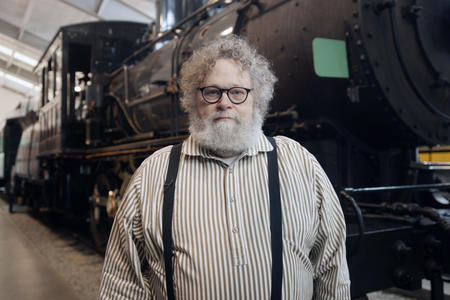
How avalanches changed PNW train travel In 1910, twin tragedies eroded trust in the railway system, and over a century later stand as the most fatal ever in Washington and British Columbia. April 5, 2024
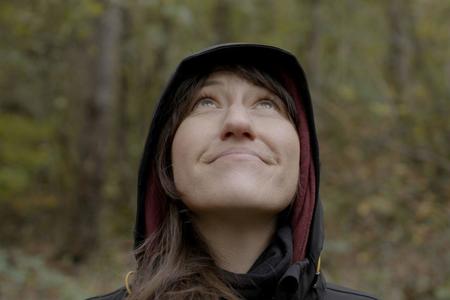
Human Elements A forest garden teaches healing, land stewardship Stephanie Leon Riedl of the Sts’ailes First Nation cultivates traditional foods to pass on the lessons of the land to future generations. February 12, 2024
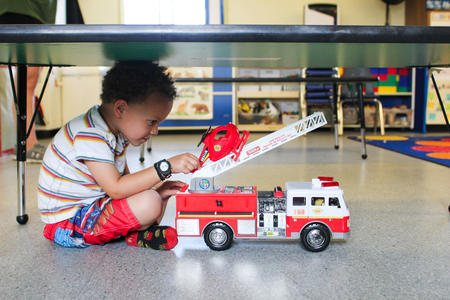
News B.C. pioneers Canada’s new ‘$10 a Day’ national child care system Since its launch, the plan has provided financial stability for parents and programs across the province. Could it also take root in the U.S.? by Jackie Mader Hechinger Report / October 6, 2023
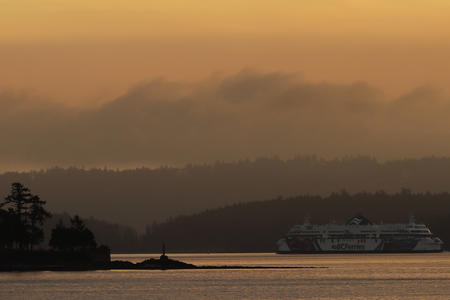
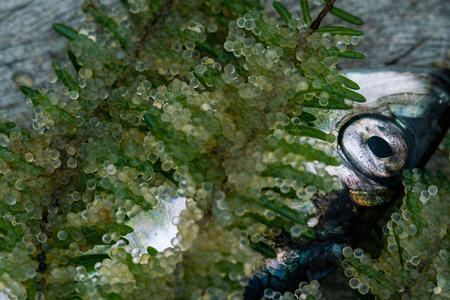
Environment Indigenous knowledge could help restore Vancouver, B.C. fisheries Colonization decimated Pacific herring, surf smelt and eulachon populations. Now the Tsleil-Waututh Nation is trying to ‘reset the clock.’ by Lauren Kaljur Hakai Magazine / July 20, 2023
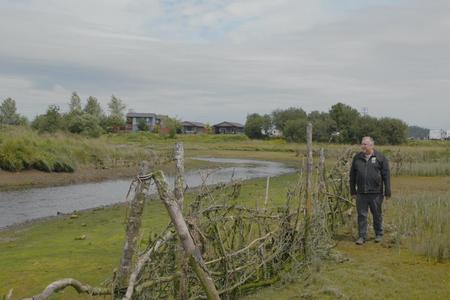
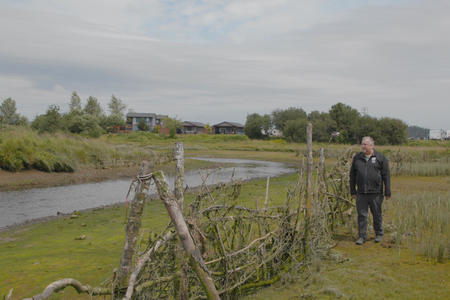
Human Elements The Guardians The Wei Wai Kum Nation uses Indigenous practices of eco-cultural restoration. March 3, 2023
Environment Human Elements: Reviving Indigenous methods of habitat restoration The Guardian Watchmen, a group of Wei Wai Kum First Nations citizens, use traditional methods to protect Vancouver Island's fragile ecosystems. by Sarah Hoffman / March 3, 2023
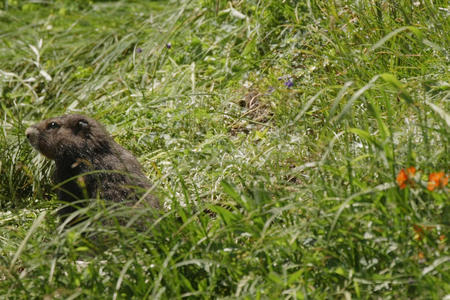
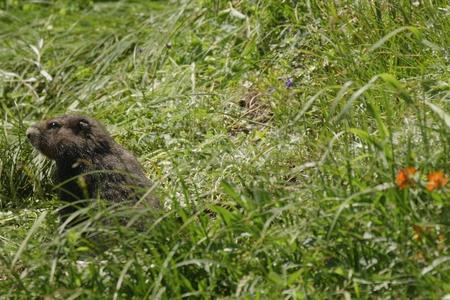
Environment Human Elements: Vancouver Island marmots return to the wild With only 358 of the endangered animals left, the Marmot Recovery Foundation is working to release captive marmots in mountain burrows. by Sarah Hoffman / February 10, 2023
Human Elements The Veterinarian A team helps endangered Vancouver Island marmots find their place in the wild. February 10, 2023
Environment Herring are swimming back to the Salish Sea The fish almost disappeared from Howe Sound in the mid-1970s. Now, the Squamish Nation and citizen scientists are welcoming them home. by Lauren Kaljur Hakai Magazine / December 1, 2022